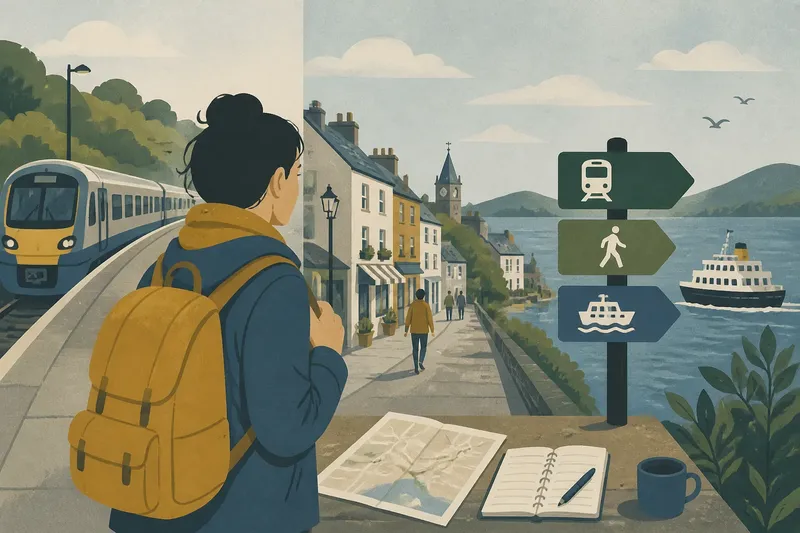
The Myth of the Perfectly Packed Itinerary
A perfectly packed itinerary can crowd out small discoveries. Learn to sort fixed commitments from optional stops and shape a day that stays workable when plans shift.
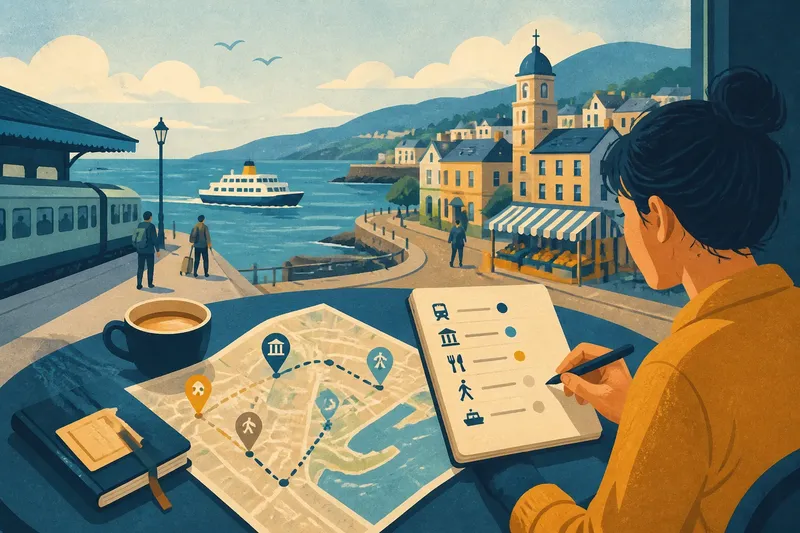
At a station café, a traveller studies a phone plan: a morning train, a museum slot, lunch across town and a ferry before supper. The itinerary looks tidy, but its real weakness is not that it is busy. It is that every item seems to have the same status.
A more useful method is to sort each plan by consequence. What must happen, what would be welcome, and what can be dropped without trouble? This turns an attractive list into a working day plan, with clear choices when a connection changes or one stop takes longer than expected.
Sort plans by what depends on them
Start with commitments that have consequences if missed: a train needed to reach your accommodation, a timed booking you care about, or a ferry with limited departures. Mark these as fixed anchors. Check the relevant operator or venue for current access and travel details, then note what each anchor depends on.
Next, list optional stops. A market, a gallery without a timed entry, or a walk along the harbour may be appealing, but should not quietly become another deadline. Keep them separate from the anchors in a notebook, a phone note or a simple map.
Finally, mark the easiest item to remove. This is your day’s release valve: the first activity to drop if a train is delayed, the weather changes or you decide to stay longer somewhere else. Naming it beforehand makes the choice less fraught.
- Check whether a train or ferry is essential to reaching the next fixed commitment; if it is, keep its departure and the route to the station visible, otherwise treat it as one option among several.
- Check whether a venue requires a timed booking; if missing it would spoil the day, make it an anchor, otherwise leave it optional and confirm access before setting out.
- Check how many transfers sit between two planned stops; if either connection is time-sensitive, remove a nearby optional stop, otherwise keep it as a possibility.
- Check whether the walking route is clear on a paper map or offline phone map; if it is unclear, choose a simpler route or ask locally before committing, otherwise keep the walk flexible.
- Check which activity matters least to you; if another part of the day runs long, drop that activity first, otherwise keep it available as a backup.
- Check whether a meal has a reservation or fixed opening arrangement; if it does, protect the time needed to reach it, otherwise leave the meal location undecided.
Build the day from anchors outward
Put fixed anchors on the page first, in the order they must happen. Add only the travel links needed to connect them. Then place optional stops nearby, where they can be skipped without disrupting the rest of the day.
Use a map to judge the shape of the route, not just the apparent distance between names on a list. A riverside path, a steep street and a station exit can make two close-looking places awkward to combine. If the route depends on local signs or a particular entrance, note that practical detail beside the relevant stop.
Say you are planning an invented day in a coastal town. Your starting inputs are a booked morning visit, a return train you need to catch, a harbour walk you would enjoy and a market you could skip. First, mark the visit and train as anchors, then check the route between them on an offline map. Next, put the harbour walk near the visit as an optional choice and mark the market as the first item to drop. If the visit ends late, you skip the market and head towards the station; if it ends early and the weather is pleasant, you take the harbour path before returning. The resulting plan protects the train while leaving a clear, low-pressure choice.
Keep the information needed for decisions close
A flexible plan works best when the essential details are easy to find. Keep booking confirmations, the next departure and accommodation directions in one phone note or a small paper notebook. Save an offline map if mobile reception may be unreliable, and use a station board or ferry notice for current service information.
Write down alternatives only when they help answer a real question. For example, note a covered market near the station if rain would change your walking plans. Avoid collecting a long catalogue of possibilities; too many options can make a simple decision feel like another task.
How should you decide what stays flexible?
What belongs in the fixed part of a day plan?
Keep anything with a meaningful consequence for missing it, such as an essential connection or a booking you especially want to keep. Confirm the relevant details before travelling, then build the nearby choices around it.
How do you choose which optional stop to drop?
Pick the stop you would regret least missing, and mark it before the day begins. If a delay or a longer visit puts pressure on an anchor, remove that stop first; if the day remains workable, keep it as an option.
Should every spare stretch have a suggested activity?
No. A nearby walk or café can be useful as a prompt, but leave some time without a destination. If nothing appeals, sitting down or heading towards the next anchor is a perfectly workable choice.
What should you do when a connection changes?
Check current operator information and identify which anchor is affected. If the change threatens a booking or onward journey, drop optional stops and seek advice from the operator where needed; otherwise revise the route and keep the rest of the day open.
Review the plan without rebuilding it
At the end of the day, note one practical lesson: perhaps the station exit was confusing, a path took longer than expected, or a particular booking shaped the whole afternoon. Carry forward that information, not every detail of the day’s schedule.
A perfectly packed itinerary is often a list that has not yet been tested against its dependencies. Use the same sorting method when planning your next day: protect the anchors, identify the first thing to remove, and keep the route information that makes those decisions easier. That leaves you free to notice a place without losing track of what the day needs.